House of the Dragon: Why Daemon's Conquest Drive Clash with Rhaenyra's Governing Needs
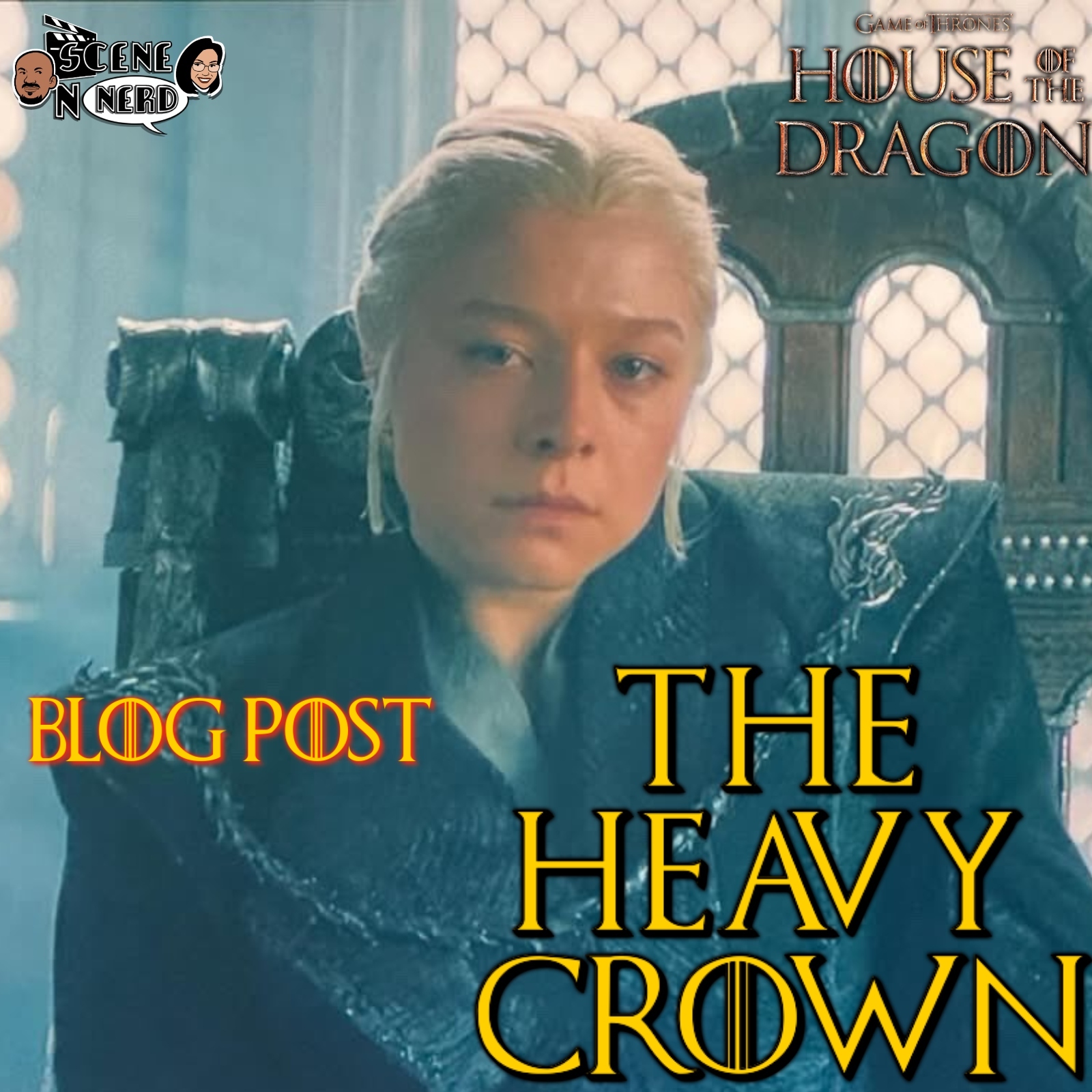
Explore the critical divergence between Daemon Targaryen's aggressive conquest strategy and Queen Rhaenyra's burgeoning understanding of the complex realities of governing Westeros. This post delves into the clash of their philosophies, highlighting how Rhaenyra's approach, though less flashy, is essential for long-term stability and addresses the immediate economic and social needs of the realm.
Key Takeaways
- Daemon Targaryen favors immediate military expansion through dragon power, reflecting a conqueror's mindset.
- Rhaenyra Targaryen prioritizes governing, addressing internal economic woes and appeasing discontented nobles.
- The episode highlights how effective rule requires empathy and resource management, not just brute force.
- Rhaenyra's struggles with leadership, including insomnia and visible stress, underscore the burden of governing.
- The contrasting approaches of Rhaenyra and Daemon reveal a fundamental tension in their visions for the Targaryen dynasty.
The Conqueror's Mentality vs. The Governor's Reality
In the tempestuous world of Westeros, the allure of conquest, particularly with dragons at one's disposal, is potent. Daemon Targaryen embodies this alluring, yet ultimately myopic, perspective. His mind is clearly on expansion, seeing the vast potential of the Targaryen dragonriders as instruments of immediate power projection. The idea of simply 'taking' what is desired, a hallmark of a conqueror, seems to be his default setting. He likely views Rhaenyra's current challenges in King's Landing – the dwindling candles, the scurrying rats, the grumbling populace – as mere distractions, temporary impediments to the grander, more visceral pursuit of dominance.
This drive for conquest isn't inherently evil; it’s a primal force in a world built on strength and dominance. However, the insights from the House of the Dragon Season 3, Episode 3, discussion on the Scene N Nerd Podcast illuminate why this approach, when unchecked, is insufficient for true leadership. Daemon's perspective, as analyzed by the podcast hosts, fails to grasp the intricate web of responsibilities that come with wearing the crown. He sees an arsenal; Rhaenyra, grappling with the messy reality, sees a populace in need and a treasury bare.
Rhaenyra's Burdens and the Economic Realities
Rhaenyra, on the other hand, is being rapidly initiated into the stark, unglamorous truth of governance. Her experience in King's Landing is a far cry from the triumphant victory she might have envisioned. The episode, as dissected on the podcast, paints a vivid picture of her struggle. She is not just dealing with political maneuvering and potential betrayals; she’s confronting the fundamental economic hardships that plague the realm. The scarcity of basic resources like candles, the pervasive presence of rats, and the visible divide between the impoverished masses and the hoarding elite are not abstract concepts for her. They are the tangible symptoms of a kingdom in distress.
The podcast delves into the specific economic challenges Rhaenyra faces. The lingering effects of the blockade and the illicit activities of figures like Theron Lannister have created a situation where wealth is concentrated in fewer hands, leaving the majority vulnerable. This economic disparity is a direct threat to Rhaenyra's reign. A starving or disgruntled populace is fertile ground for rebellion, regardless of who sits on the Iron Throne. Rhaenyra’s attempt to address this through a banquet and a promise of wealth redistribution, while perhaps politically naive in its execution, is a direct response to these governing realities. It’s an acknowledgment that ruling isn't just about command; it's about management, empathy, and a delicate balancing act.
The Personal Toll of Leadership
Beyond the political and economic, the podcast also touches upon the immense personal toll Rhaenyra's new role is taking. The visual of her struggling to sleep in her father's bed, haunted by his legacy and her own past traumas, is a powerful symbol of the psychological burden of leadership. This isn't the relatively simpler task of leading armies or commanding dragons; it's the constant, gnawing responsibility for the welfare of an entire kingdom. Her grief, her guilt, and the sheer weight of expectation are all factors that temper her decisions, pushing her towards a more cautious, governing-focused approach.
This internal struggle, so crucial to understanding Rhaenyra's actions, is a stark contrast to Daemon's seemingly unburdened ambition. While he might see her hesitation as weakness, the reality is that her perceived 'weakness' stems from a deeper understanding of what it means to rule rather than simply conquer. Her gender also plays a role, as the podcast notes, adding another layer of scrutiny and expectation. She must contend not only with the challenges of leadership but also with the specific societal pressures placed upon a female ruler, all while navigating personal loss and the physical realities of her body.
Conquest vs. Governance: A Fundamental Clash
The conversation between Rhaenyra and Daemon regarding the use of dragons highlights this fundamental clash. Daemon, ever the warrior, immediately sees their potential for offensive action, for 'conquering.' He envisions a swift, decisive expansion of power, leveraging the most fearsome weapons at their disposal. This is the mentality of a general, focused on immediate objectives and overwhelming force.
Rhaenyra, however, is learning that ruling requires a different kind of strategy. She understands that dragons, while powerful, are also a finite resource, and their use carries immense political and social consequences. Unnecessary dragonfire can turn potential allies into staunch enemies and create further devastation in an already struggling kingdom. Her focus is on consolidation, on rebuilding, and on addressing the root causes of unrest. This is the long game of governance. It’s slower, less spectacular, but ultimately more sustainable. The episode's insight that 'governing is harder than conquering' is perfectly encapsulated in this dynamic.
The Banquet: A Symbol of Misunderstood Priorities
The banquet scene, as discussed on the podcast, serves as a microcosm of this conflict. Rhaenyra intends to foster goodwill and demonstrate her commitment to the realm's well-being. However, the reality of food shortages and the symbolic presence of rats undermine her efforts, highlighting the disconnect between her intentions and the kingdom's dire state. When she proposes a redistribution of wealth, she is met not with gratitude but with reminders of past resentments and the practical difficulties of such a measure. This isn't a simple matter of wishing for prosperity; it requires complex economic solutions and political consensus.
Daemon's likely reaction to such a scene would be frustration. He might see the banquet as a waste of resources and the talk of redistribution as a sign of Rhaenyra’s inability to assert dominance. He might advocate for using the dragons to secure resources or intimidate those who hoard them, bypassing the need for delicate political negotiation or economic restructuring. This difference in perspective is not just a matter of personality; it’s a reflection of two fundamentally different approaches to wielding power, one focused on immediate acquisition and the other on sustained stability.
The Impact of Atmosphere and Score
The podcast also notes the effective use of atmosphere and score in the episode to underscore these themes. The darkened castle, the increased shadows due to scarcity, and the haunting score all contribute to a mood of unease, danger, and the melancholic weight of legacy. This sensory experience amplifies Rhaenyra's internal state and the precariousness of her position. It visually and aurally communicates that this is not a time for rash conquest, but for careful navigation through treacherous political and economic waters. The atmosphere itself becomes a character, reflecting the internal struggles of its queen and the struggling state of the kingdom she now leads.
Ultimately, House of the Dragon, through episodes like this, forces us to consider what true leadership entails. It’s a complex equation that involves more than just military might or a claim to the throne. It requires understanding the economic pulse of a kingdom, managing the deeply personal grief and trauma of its rulers, and navigating intricate political landscapes. Daemon’s drive to conquer is a powerful force, but Rhaenyra's struggle to govern, with all its inherent difficulties and emotional costs, is what will ultimately determine the fate of the Targaryen dynasty and Westeros itself.
To hear more about Rhaenyra's challenges, Daemon's aggressive stance, and the nuanced realities of ruling Westeros, listen to the full episode of the Scene N Nerd Podcast.
Frequently Asked Questions
What is the primary difference between Daemon and Rhaenyra's approaches to power?
Daemon prioritizes immediate military conquest and expansion, viewing dragons as tools for swift domination. Rhaenyra, conversely, focuses on the complex and often unglamorous tasks of governing, addressing economic hardships, and managing internal political stability.
How does the economic situation in King's Landing affect Rhaenyra's rule?
The severe economic hardships, including resource scarcity and wealth disparity, create widespread discontent and undermine Rhaenyra's authority. Addressing these issues is paramount for her to maintain peace and consolidate power, making economic governance a critical aspect of her reign.
Why does Daemon favor conquest over governance?
Daemon's personality and past experiences have shaped him into a warrior and a pragmatist focused on immediate results and power acquisition. He likely sees governance as slow, complicated, and less direct than the decisive action of conquest, especially when wielding powerful weapons like dragons.
Can Rhaenyra balance her personal grief with the demands of governing?
The episode suggests this is a significant challenge. Rhaenyra's personal struggles, including her grief and insomnia, directly impact her ability to lead effectively. Her journey is about learning to manage these burdens while making crucial decisions for the realm.

Scene N Nerd October 2026 Show Schedule